
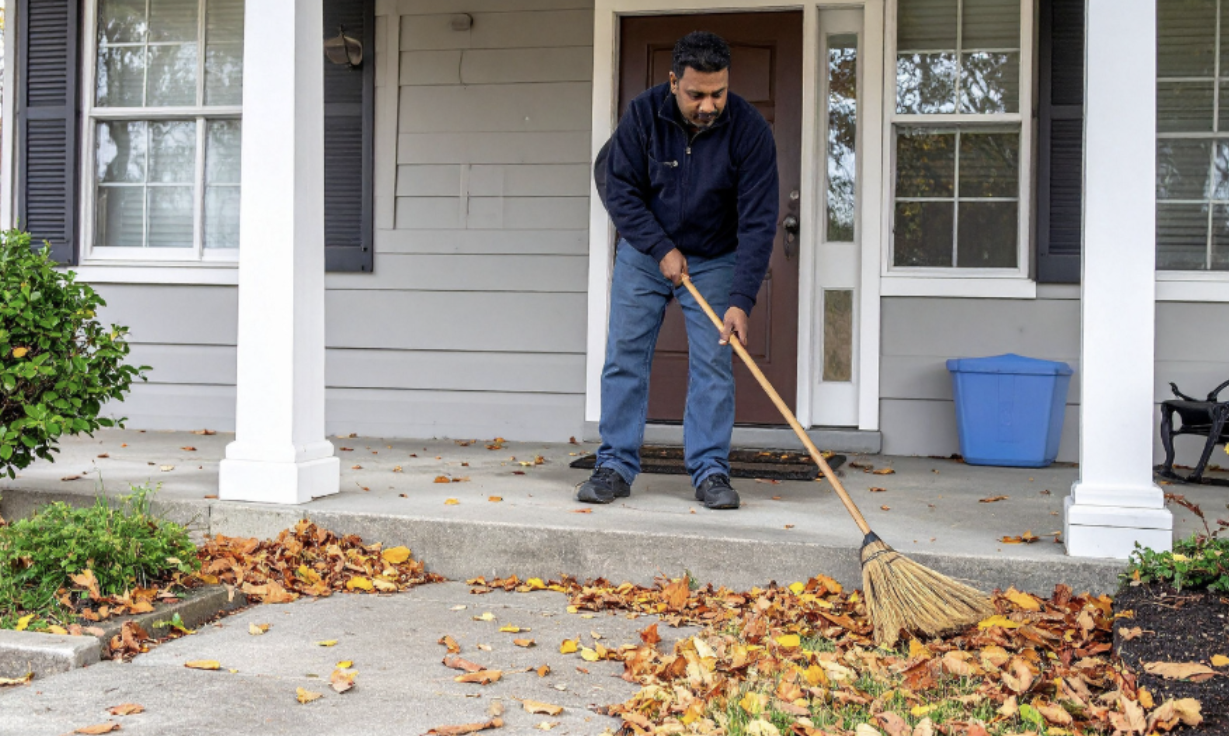
September in New Hampshire often means cooler weather, changing leaves, and a growing list of outdoor projects. Raking, lifting yard bags, cleaning gutters, stacking firewood, and preparing the house for winter can provide plenty of physical activity. They can also leave your back, shoulders, knees, or wrists feeling sore when your body is not prepared for the workload.
Fall yardwork may not feel like exercise, but many seasonal chores involve repeated bending, twisting, reaching, carrying, and lifting. Completing those movements for several hours can place more demand on your muscles and joints than you expect. A few practical injury prevention strategies can help you work more comfortably and reduce unnecessary strain.
Why Fall Yardwork Can Lead to Pain
Many people move less during the workweek and then try to complete an entire weekend of yardwork at once. That sudden increase in activity can challenge muscles that are tight, weak, or not accustomed to repetitive movement.
Raking requires repeated pulling and rotation. Lifting leaves, soil, tools, or firewood places added demand on the back and legs. Working on uneven or damp ground can also test your balance and stability. These tasks are not automatically harmful, but fatigue and rushed movement can make it harder to maintain good body mechanics.
Warm Up Before You Get to Work
Your body may feel stiff when you first head outside, especially on a cool September morning. Give yourself five to ten minutes to increase circulation and prepare your joints for movement.
Start with a short walk around the yard. Follow it with comfortable shoulder rolls, gentle trunk rotations, heel raises, and a few controlled squats or sit-to-stands. The goal is not to stretch as far as possible. It is to gradually introduce the movements you will use while working.
If a warm-up produces sharp pain or reveals a significant movement restriction, do not force through it. That may be a sign that the task or your approach needs to be modified.
Use Better Body Mechanics
How you move matters as much as what you lift. When picking something up, keep the load close to your body and use your hips and knees instead of rounding through your back. Turn your feet and entire body rather than twisting while carrying something heavy.
When raking, keep the rake closer to your body and switch your lead hand and stance regularly. Reaching too far increases the amount of effort required from your shoulders and lower back. Use smaller bags or containers so each load remains manageable, and avoid carrying more simply to finish faster.
Farmington Physical Therapy offers body mechanics training to help patients improve the way they lift, bend, reach, and complete everyday tasks.
Change Positions and Divide the Work
Repetition can cause fatigue even when your technique is good. Rotate between activities that use different muscle groups. For example, rake for a period, switch to light pruning, and then take a short walking or water break.
Breaking a large project into several shorter sessions can be more comfortable than finishing everything in one afternoon. Consider setting a timer as a reminder to change position, especially if you tend to lose track of time while working.
Pay attention to the conditions around you as well. Wet leaves, roots, slopes, and scattered tools can create unstable surfaces. Supportive footwear and a clear work area can make it easier to move safely.
Do Not Ignore the Early Warning Signs
General muscle fatigue after an active day can happen. Pain that is sharp, worsening, or changing how you move deserves closer attention. Other signs that it may be time to pause include swelling, weakness, numbness, tingling, reduced range of motion, or difficulty completing normal activities.
Continuing to compensate for pain can shift extra work to another part of the body. A sore knee may change the way you walk. A painful shoulder may cause you to lift differently. Addressing these changes early can help prevent a temporary issue from interfering with the rest of your fall plans.
How Physical Therapy Can Help
You do not need to wait until pain becomes severe to seek guidance. A physical therapist can evaluate your strength, flexibility, joint function, balance, and movement patterns to identify factors that may be contributing to your symptoms.
Based on your evaluation, a personalized plan may include mobility exercises, progressive strengthening, manual therapy, stretching, movement education, or a home exercise program. The goal is to address your current concern while helping your body better handle the demands of work, recreation, and daily life.
At Farmington Physical Therapy, care is centered on your specific needs and the activities that matter to you. Whether discomfort started during fall cleanup or has been building over time, the team can help you understand what is happening and determine appropriate next steps.
Prepare Your Body for a More Comfortable Fall
Fall yardwork does not have to result in weeks of soreness. Warm up, use controlled movement, divide large projects into smaller sessions, and respond when your body signals that something is wrong.
If pain, stiffness, or limited mobility is slowing you down this September, request an appointment with Farmington Physical Therapy to get started with personalized physical therapy in Farmington, New Hampshire.