
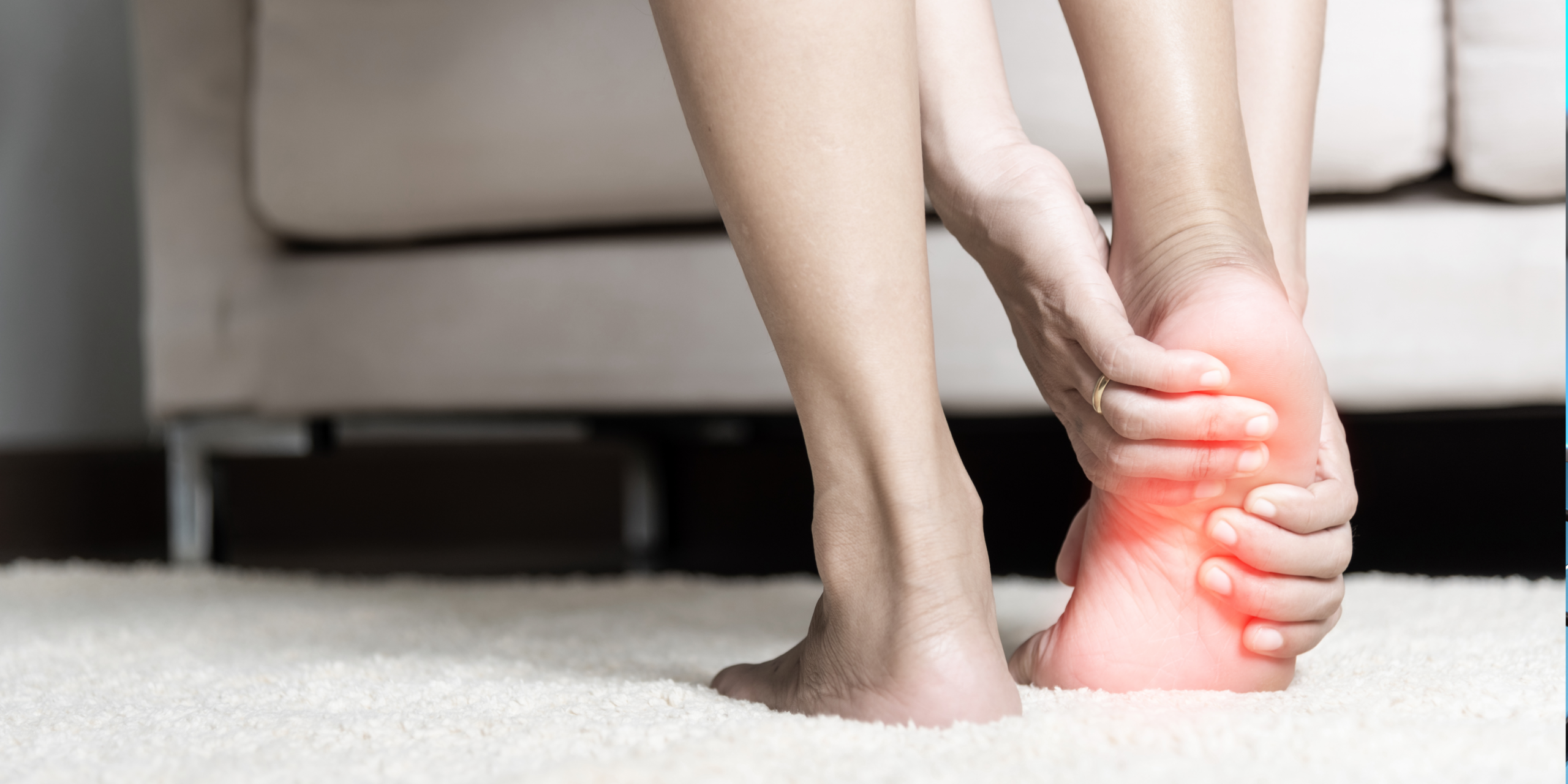
Foot Pain Can Affect More Than Your Feet
Foot pain can change the way you move. When every step hurts, you may start walking differently without even realizing it. Over time, those small changes can affect your ankles, knees, hips, and low back.
Whether you are dealing with heel pain, arch pain, flat feet, plantar fasciitis, or discomfort after standing all day, your feet play a major role in how your entire body moves. That is why foot pain should not be ignored.
At Farmington Physical Therapy, we help patients understand what is contributing to their pain and how movement, strength, flexibility, footwear, and orthotic support may work together to improve comfort and function.
Common Causes of Foot Pain
Foot pain can come from many different sources. Some of the most common include:
- Plantar fasciitis
- Flat feet or fallen arches
- High arches
- Poor foot and ankle alignment
- Weakness in the foot, ankle, hip, or leg
- Tight calves or limited ankle mobility
- Unsupportive footwear
- Overuse from walking, running, or standing
- Changes in activity level
- Arthritis or joint irritation
- Previous ankle sprains or injuries
Because the foot is connected to the rest of the body, pain is not always only a “foot problem.” A physical therapist may also look at your walking pattern, balance, hip strength, knee alignment, and posture to understand the full picture.
What Is Plantar Fasciitis?
Plantar fasciitis is one of the most common causes of heel pain. The plantar fascia is a thick band of connective tissue that runs along the bottom of the foot and helps support the arch. When this tissue becomes irritated, it can cause pain near the heel or along the arch.
Common signs of plantar fasciitis include:
- Sharp heel pain with the first steps in the morning
- Pain after sitting for a long time
- Discomfort after prolonged standing or walking
- Tenderness along the bottom of the foot
- Pain that improves with movement but returns later
- Difficulty walking barefoot on hard surfaces
Plantar fasciitis can be stubborn, especially when the underlying causes are not addressed. Rest alone may temporarily reduce symptoms, but pain often returns if foot mechanics, strength, mobility, and support are not improved.
What Are Orthotics?
Orthotics are shoe inserts designed to support the foot, improve alignment, reduce pressure, and help the body move more efficiently. Some orthotics are custom-made, while others are semi-custom or selected based on your specific foot type and movement needs.
Orthotics may help by:
- Supporting the arch
- Improving foot and ankle alignment
- Reducing stress on painful areas
- Cushioning the heel or forefoot
- Improving stability while walking or standing
- Reducing strain on the knees, hips, or low back
- Helping distribute pressure more evenly through the foot
At Farmington Physical Therapy, orthotic fitting includes evaluating your feet, gait, and overall alignment to determine what type of support may be appropriate.
Do Orthotics Fix Foot Pain by Themselves?
Orthotics can be very helpful, but they are often most effective when combined with physical therapy. That is because pain may be related to multiple factors, including weakness, stiffness, poor movement patterns, or muscle imbalance.
For example, if you have plantar fasciitis, an orthotic may help reduce strain on the plantar fascia during walking. But you may also need calf mobility work, foot strengthening, hip strengthening, balance training, or education on activity modification.
The goal is not just to support your foot passively. The goal is to help your body move better with the right combination of support and active treatment.
Signs You May Benefit from Orthotic Fitting
You may want to consider an orthotic evaluation if you have:
- Heel pain or arch pain
- Flat feet or overpronation
- Pain that worsens with standing or walking
- Foot fatigue at the end of the day
- Recurring ankle, knee, hip, or low back discomfort
- Uneven shoe wear
- Difficulty finding comfortable shoes
- Plantar fasciitis that keeps returning
- Balance or stability concerns
- Pain during work, exercise, or daily activities
A physical therapist can help determine whether orthotics are appropriate or whether another treatment approach may be more effective.
How Physical Therapy Helps Foot Pain
Physical therapy for foot pain is designed to address the cause of discomfort, not just the symptoms. At Farmington Physical Therapy, your care may include:
1. Foot, Ankle, and Gait Assessment
Your therapist will evaluate how your feet move, how you walk, how your shoes wear down, and how your ankles, knees, hips, and spine work together. This helps identify alignment issues, mobility limitations, weakness, or pressure patterns that may be contributing to pain.
2. Orthotic Fitting and Footwear Guidance
If orthotics may help, your therapist can evaluate your foot structure, gait, and support needs. You may also receive guidance on footwear, because even the best orthotic may not work well in an unsupportive or poorly fitting shoe.
3. Stretching and Mobility Work
Tight calves, stiff ankles, and limited big toe mobility can all increase strain through the foot. Your therapist may use manual therapy, stretching, and mobility exercises to improve how your foot and ankle move.
4. Strengthening Exercises
Foot pain is often connected to weakness in the foot, ankle, hips, or legs. Strengthening can help improve shock absorption, balance, and control during walking, standing, stairs, and exercise.
Exercises may focus on:
- Foot intrinsic strength
- Calf strength
- Ankle stability
- Hip and glute strength
- Balance and coordination
- Functional movement control
5. Manual Therapy
Hands-on techniques may be used to improve joint mobility, reduce soft tissue tightness, and help painful areas move more comfortably. Manual therapy can be especially helpful when stiffness or tissue restriction is contributing to symptoms.
6. Activity Modification
If your pain is related to overuse, your therapist can help you adjust your activity level without stopping everything completely. This may include changing walking volume, modifying workouts, adjusting work habits, or gradually returning to activity.
Tips for Managing Foot Pain at Home
While a personalized evaluation is best, these general tips may help:
- Avoid walking barefoot on hard floors if it increases pain.
- Wear supportive shoes, especially during long periods of standing.
- Replace worn-out shoes.
- Stretch your calves gently.
- Do not ignore pain that worsens over time.
- Avoid suddenly increasing walking, running, or standing time.
- Use ice after activity if recommended by your provider.
- Follow your physical therapist’s exercise and orthotic plan.
Why Foot Alignment Matters for the Whole Body
Your feet are your foundation. When foot alignment is poor or painful, your body may compensate. That can change how your knees track, how your hips move, and how much stress your low back absorbs.
This is why some people with foot problems also experience knee pain, hip tightness, or back discomfort. Improving foot support and movement can sometimes reduce stress throughout the entire body.
Get Help for Foot Pain at Farmington Physical Therapy
Foot pain can make simple activities like walking, working, exercising, and standing uncomfortable. You do not have to wait until the pain becomes severe before getting help.
At Farmington Physical Therapy, we provide personalized care to evaluate your foot mechanics, identify contributing factors, and determine whether orthotics, physical therapy, or a combination of both may help you move with less pain.
If heel pain, plantar fasciitis, flat feet, or foot fatigue are keeping you from your normal routine, we are here to help.
Request an appointment with Farmington Physical Therapy today or call (603) 839-1034 to learn whether orthotic fitting and physical therapy may be right for you.